

Affordable junk removal Streatham Hill homes
Posted on 03/09/2026
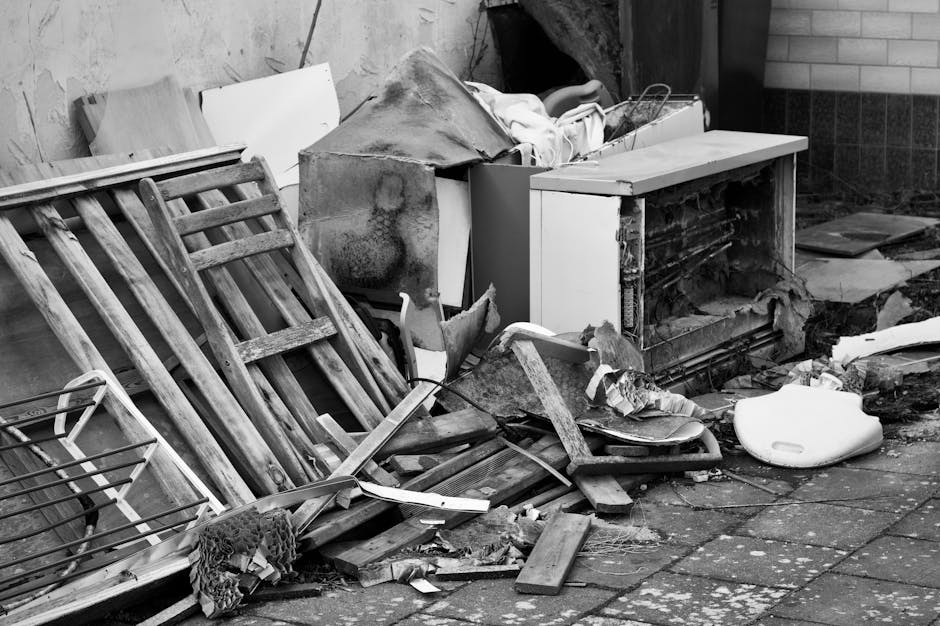
Affordable junk removal Streatham Hill homes: a practical guide to clearing clutter without overspending
If you live in Streatham Hill, you already know how quickly a home can collect stuff: old furniture in the spare room, broken appliances in the hallway, bags from a half-finished loft sort-out, garden cuttings that somehow keep multiplying. Affordable junk removal Streatham Hill homes is really about getting that mess out safely, quickly, and without paying more than you need to. The trick is not just finding the cheapest option. It is finding the option that is clear, reliable, and suited to the actual job in front of you.
This guide walks through how junk removal works in a home setting, what drives the cost, how to avoid common mistakes, and what to look for if you want a tidy result and a fair price. If you are comparing waste services more broadly, you may also find the services overview helpful for understanding the different types of clearance work available.
Why Affordable junk removal Streatham Hill homes Matters
Home junk removal sounds simple until you actually start lifting things. A single room can hide more waste than you expect. A wardrobe taken apart turns into timber, screws, dust, and a small mountain of awkward shapes. A loft clear-out can reveal old suitcases, school books, Christmas decorations, and items you have not seen in years. It all adds up.
For Streatham Hill homes, affordability matters because the job is often more than a quick bin-emptying exercise. Many properties have tight stairwells, shared access, basement steps, side returns, or limited parking. Those details affect the time needed, the labour involved, and the way rubbish has to be moved. A cheap-looking quote can become expensive once access issues or bulky items are added later. That is the annoying bit, truth be told.
Good-value junk removal should solve a real household problem: making a room usable again, preparing for a move, clearing after a renovation, or simply restoring order after life got busy. It should do that in a way that feels calm rather than chaotic.
Key takeaway: affordable does not mean bare-bones. In practice, the best-value service is the one that quotes clearly, handles lifting safely, and removes everything in one go with no surprise extras.
If your clear-out is linked to a bigger home project, a local property guide such as making smart moves in the Streatham property market can help you think through timing and planning. Home moves and waste piles have a habit of arriving together.
How Affordable junk removal Streatham Hill homes Works
The process is usually more straightforward than people expect. In most cases, you describe what needs removing, the team estimates the load, and a collection window is arranged. On the day, the crew arrives, assesses the waste, confirms the price if needed, and carries out the clearance. After that, the items are loaded, the area is tidied, and the waste is taken away for appropriate sorting and disposal.
That said, there are a few practical differences between providers. Some quote by volume, some by item type, and some factor in labour, access, or the need to dismantle furniture. The same sofa can cost less to remove from a ground-floor flat with a clear entrance than from a fourth-floor maisonette with narrow stairs and a parking headache outside. Not glamorous, but very real.
For most homes, the best way to think about the job is in these stages:
- Identify the waste - furniture, mixed household rubbish, garden debris, loft clutter, old white goods, or post-renovation offcuts.
- Separate anything reusable - documents, valuables, sentimental items, and anything you may want to keep or donate.
- Check access - stairs, lifts, parking, permits, and whether the waste can be moved out easily.
- Request a clear quote - ideally one that explains what is included.
- Book a suitable time - especially if neighbours, school runs, or work schedules matter.
- Complete the clearance - with a tidy handover and no leftover mess.
When the job is a large domestic clearance, it may overlap with a broader home clean-out. In those cases, a dedicated house clearance service in Streatham can be the more efficient route, especially if you need several rooms cleared in one visit.
Key Benefits and Practical Advantages
The obvious benefit is less clutter. But there is more to it than that. A good junk removal visit changes how a home feels. Suddenly you can walk through the hallway without edging sideways. The spare room can breathe again. The loft stop being a mystery zone. Small win, big relief.
What you gain from a well-run clearance
- Time back - no multiple car trips to the tip or hours spent sorting bags.
- Less physical strain - especially helpful if the items are heavy, awkward, or dusty.
- Safer movement around the home - fewer trip hazards and blocked walkways.
- Better use of space - ideal before decorating, renting, selling, or renovating.
- Cleaner decision-making - once clutter is gone, it is easier to see what the room should become.
- More controlled costs - especially when the job is assessed properly from the start.
There is also a practical emotional benefit. People often put off decluttering because it feels bigger than it really is. Then the waste starts taking over a room, and the room starts taking over your mood. A proper removal service helps break that loop.
For people who are moving or refreshing a property, it can be worth reading about buying homes in Streatham too, because the timing of clearance work often matters just as much as the clearance itself.
Who This Is For and When It Makes Sense
Affordable junk removal Streatham Hill homes is not only for major house moves. In fact, many requests come from everyday situations that build up slowly. You may need it if you are sorting a loft after years of storage, clearing a bedroom before a new tenant arrives, or finally dealing with the broken wardrobe and old mattress that have been waiting in the spare room for far too long.
It is particularly useful for:
- homeowners preparing to sell or refurbish
- landlords between tenancies
- families after a long overdue declutter
- older residents who need help with heavy lifting
- new buyers clearing what previous owners left behind
- people finishing a DIY project and left with timber, packaging, and offcuts
There are also moments when junk removal makes more sense than DIY. If items are bulky, you have no suitable vehicle, or access is awkward, the labour alone can make the job feel impossible. And let us be honest, most people would rather spend their Saturday doing literally anything else than wrestling a wardrobe down a stairwell.
If your clear-out is connected to renovation work, you may also need specialist handling. For example, post-build debris and mixed construction waste are better suited to builders waste disposal in Streatham than a standard household tidy-up.
Step-by-Step Guidance
If you want the process to stay affordable, organisation matters. A little preparation before the team arrives can reduce time on site and prevent misunderstandings. Here is a simple, realistic approach.
1. Walk through the property room by room
Start with the obvious spaces: hallway, lounge, kitchen, bedrooms, loft, shed, and garden. List the items that need removing. Be specific. "Old furniture" is too vague; "double mattress, chest of drawers, broken desk, and two chairs" is better.
2. Separate reuse, recycling, and disposal items
Not everything needs to go as mixed waste. Some items can be set aside for sale, donation, or reuse. The more clearly you separate them, the smoother the job tends to be. It also helps avoid accidentally paying for removal of things you meant to keep.
3. Check what is awkward or restricted
Do you have a narrow staircase? A shared entrance? A difficult parking situation? A ground-floor flat with direct access? These details matter. A small bit of honesty here saves a lot of friction later.
4. Ask how the quote is built
Good questions include:
- Is the price based on volume, item type, or labour time?
- Does the quote include loading and tidy-up?
- Are there extra charges for heavy items, dismantling, or difficult access?
- Will the price change if the waste differs from the original description?
5. Confirm any special items
Fridges, freezers, mattresses, TVs, paint tins, and certain electrical items can require separate handling. You do not need to know every technical detail, but you should flag them early.
6. Prepare the space
Move lighter items out of the way, clear a path if you can, and make sure access is open. If the team can get in and out safely, the job usually goes faster. That is good for everyone.
7. Review the waste once it is gone
Before the van leaves, take a quick look at the area. Check that the agreed items have been removed and the space has been left in a reasonable condition. A minute now saves a phone call later.
Expert Tips for Better Results
A few small habits can make affordable junk removal feel much less stressful. These are the things that, in our experience, tend to save people money and time without making the process feel complicated.
- Bundle similar items together - furniture with furniture, garden waste with garden waste. It helps with estimating and sorting.
- Take a few photos before booking - especially for lofts, sheds, or mixed-room clearances. Pictures often explain the job better than a long message.
- Be realistic about access - if the parking spot is tight or there are stairs, say so early.
- Keep valuables out of the clearance area - passports, paperwork, cash, keys, and jewellery should be removed first.
- Ask about sorting and recycling - a good provider should be able to explain how items are handled.
- Plan around neighbours - a quiet morning slot can be easier than a busy evening pickup in a shared building.
One simple but surprisingly useful tip: make a "do not remove" corner. It can be a chair, a taped-off patch of floor, or a clearly labelled stack. It sounds basic, yet it prevents mistakes when a room is full and everyone is moving quickly.
If your waste mix includes household furniture, the page on furniture disposal in Streatham is a useful related resource, especially for awkward items like beds, sofas, wardrobes, and tables.
Common Mistakes to Avoid
People usually do not make one huge mistake. They make several small ones. That is how costs creep up and stress creeps in.
Typical problems that raise the bill or slow the job
- Underestimating the volume - that "small pile" in the corner can become a van-full.
- Hiding extra items around the property - it leads to revised pricing on arrival.
- Forgetting access issues - parking restrictions, stairs, and tight entrances all take time.
- Mixing hazardous or restricted waste with general rubbish - this can complicate handling.
- Waiting until the last minute - urgent collections often reduce flexibility.
- Choosing only on price - the cheapest quote is not always the best value.
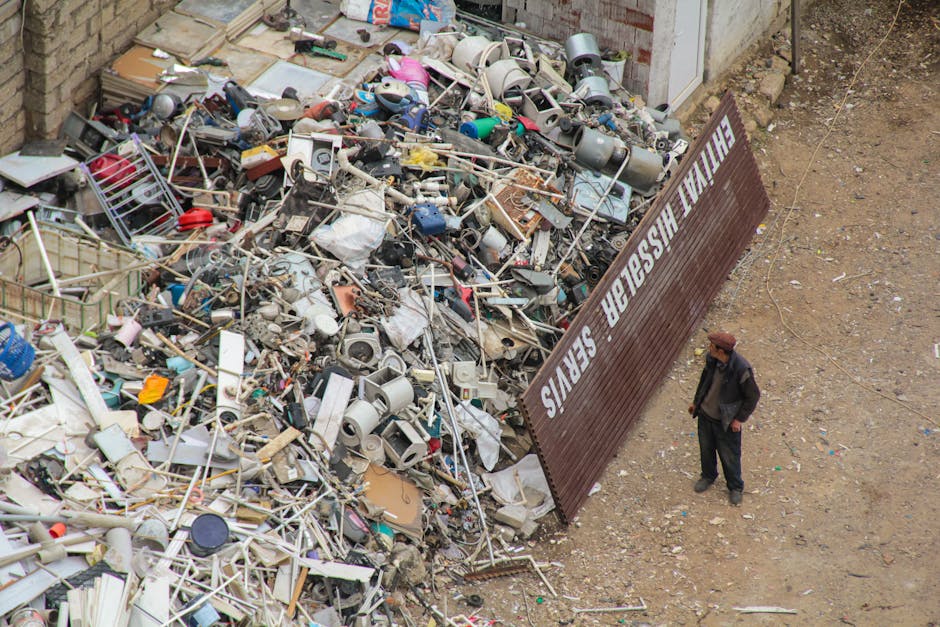
One more thing: do not assume every item can be treated the same way. General household rubbish, garden waste, heavy furniture, and construction debris often have different handling needs. Sorting that out early can save both money and a fair bit of back-and-forth.
For homes with loft storage, it is also worth looking at loft clearance in Streatham if the clutter is mostly tucked away above the ceiling line. Loft jobs often need a different pace and a bit more care.
Tools, Resources and Recommendations
You do not need much to get organised, but a few simple tools make the process smoother. Nothing fancy. A phone camera, some bin bags, sticky notes, and a notepad will do more than you think.
Helpful tools for planning a home clear-out
- Phone photos - useful for getting an accurate quote.
- Labels or tape - mark what stays and what goes.
- Boxes or crates - ideal for separating keep, donate, and dispose piles.
- Gloves and sturdy shoes - useful if you are sorting through dusty or sharp items yourself.
- A simple room-by-room list - helps you stay focused when the job feels bigger than expected.
For wider planning, there are also a few site pages that can help you understand the company's approach to customer care, service access, and payment details. If you want to check company background and standards, the about us page is a sensible place to start. For practical payment-related questions, you can review payment and security, and if you are comparing budgets, pricing and quotes is useful for understanding how estimates are approached.
There is also a sustainability angle. If you care about what happens after collection, the recycling and sustainability page can give you a clearer picture of how responsible disposal is typically handled. That matters, even when the job is small.

Law, Compliance, Standards, or Best Practice
For home junk removal in the UK, the main point is simple: waste should be handled responsibly and by people who understand legal duties around disposal and transport. You do not need to become a compliance expert yourself, but you should expect the provider to work lawfully and to dispose of items properly.
Best practice usually includes checking that waste is loaded safely, separated when needed, and taken to appropriate facilities for sorting, reuse, or disposal. If a company cannot explain what happens to the waste, that is a red flag. A small one maybe, but worth listening to.
It is also sensible to ask how they handle insurance, access risks, and fragile property features like narrow hallways, stair railings, or shared entrances. For household clearances, safety is not just a box-ticking exercise. It protects your home and everyone working in it. If you need more detail on this side of things, the insurance and safety page is a useful reference point.
And yes, rubbish handling can feel dull to think about. But one badly handled clearance can create avoidable mess, damage, or dispute. Better to be a little picky at the start than sorry later.
Options, Methods, or Comparison Table
Different home situations suit different removal methods. Some are best for small amounts of waste. Others make more sense when the pile is bulky, mixed, or time-sensitive. Here is a simple comparison.
| Method | Best for | Pros | Limitations |
|---|---|---|---|
| DIY trips to a disposal site | Very small loads and flexible schedules | Can be low-cost if you already have transport | Time-consuming, physically demanding, multiple trips often needed |
| Scheduled rubbish collection | Bagged waste or smaller household clear-outs | Convenient, predictable, often straightforward | May not suit bulky furniture or mixed loads |
| Full waste clearance | Mixed household junk, bulky items, and one-off large jobs | Fast, labour included, reduces stress | Cost depends on access, volume, and item type |
| Furniture-specific disposal | Sofas, beds, wardrobes, tables | Efficient for heavy or awkward items | Less suitable if you also have general rubbish |
| Loft or house clearance | Whole-room or whole-property clear-outs | Good for larger domestic projects | Usually more involved than a simple pickup |
For many Streatham Hill households, the sweet spot is a mixed-service approach: use the method that matches the mess. A single sofa is one thing; a loft plus hallway plus shed is another. The job decides the method, not the other way around.
If your clear-out includes routine domestic waste rather than bulky items, rubbish collection in Streatham may be the more practical fit. For messy outdoor jobs, garden waste removal in Streatham is worth considering too.
Case Study or Real-World Example
Here is a realistic example. A Streatham Hill homeowner has just finished redecorating a front bedroom. The room now contains a dismantled bed frame, a mattress, an old desk, paint-splattered packaging, and several bags from a long-deferred loft sort-out. Nothing outrageous, but enough to make the room feel unusable.
The first instinct might be to make several trips with a family car. But the mattress is awkward, the desk is heavy, and the parking outside is not exactly generous. By the time the homeowner has loaded everything, unloaded it, and found the right disposal route for each item, half the weekend has gone. And there is still dust on the stairs.
A more efficient approach is to book a domestic clearance visit, send photos in advance, and flag the access conditions honestly. The crew arrives with the right tools, the waste is removed in one visit, and the room is back to usable shape before lunch. Not magic. Just planning.
That is the real value of affordable junk removal: not the lowest figure on a page, but a sensible price for a job that actually gets finished.
Practical Checklist
Use this before booking. It keeps the job simple and reduces the risk of surprises.
- List every item that needs removing.
- Separate keep, donate, recycle, and dispose piles.
- Take photos of the waste from a few angles.
- Note any stairs, narrow hallways, parking issues, or shared access.
- Flag heavy items, appliances, and anything unusually awkward.
- Ask what is included in the quote.
- Confirm whether dismantling is needed.
- Clear a path to the items if possible.
- Remove valuables and important paperwork first.
- Check the space after collection before signing off mentally and moving on with your day.
If your clear-out is part of a wider home refresh, it can also help to read a broader local article like a local's guide to living in Streatham for a bit of neighbourhood context while you plan the timing. Small thing, but sometimes useful.
Conclusion
Affordable junk removal for Streatham Hill homes is really about making domestic life easier without adding needless stress or cost. The best outcome is simple: the right items removed, the home left tidy, and the quote matching what you expected. If you prepare well, ask a few sensible questions, and choose the service that fits the job rather than the flashiest promise, you will usually get a much better result.
Whether you are clearing one room, dealing with a stubborn loft, or getting ready for a move, a thoughtful approach pays off. And once the clutter is gone, the house just feels different. Calmer. Lighter. More yours again.
Get a free quote today and see how much you can save.
To keep things transparent from the start, it is also wise to read the terms and conditions and the privacy policy before you book. That way, you know exactly where you stand, which is always a good feeling.
 Tipper Van - Waste Clearance and Garden Junk Removal Prices in Streatham, SW16
 Luton Van - Waste Clearance and Garden Junk Removal Prices in Streatham, SW16

